VaxCalc®
The ultimate vaccine-research guide for modern parents
The ultimate vaccine-research guide for modern parents
When my daughter was just 12 months, she experienced a potentially fatal reaction to a tiny amount of peanut butter. Inspecting everything that was going into her body, I didn't like what I was finding. So I began carefully reading food ingredients labels to keep her food simple, safe, healthy and pure.
We learned the hard way that not every food is safe for every child.
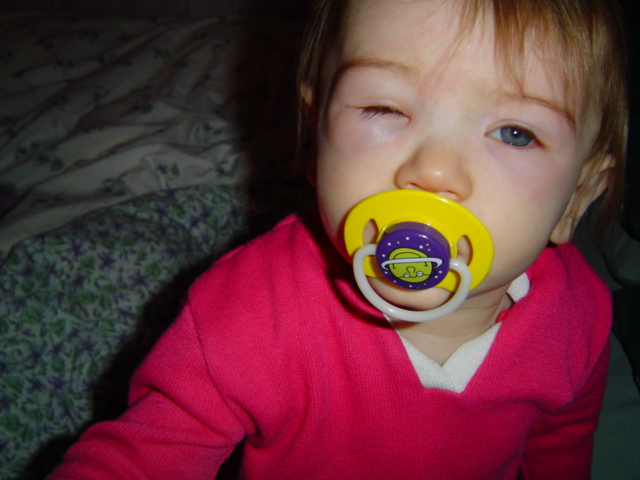
Did childhood vaccines cause her potentially fatal peanut allergy?
I used to just believe that vaccines were safe and effective without evidence, without researching the ingredients or checking vaccine injury reports. I assumed that high-quality, reliable safety studies were done on every childhood vaccine - and that the CDC's recommended vaccine schedule was science-based.
Looking through the FDA-approved package inserts for vaccine ingredients, I found things like Borax (sodium borate), Cellulose Acetate Phthalate, Diphtheria toxoid, CpG Adjuvant 1018, and Ethanol.
What are the risks of injecting a mix of chemical and biological ingredients into my daughter who already has a dangerously over-reactive immune system? Or into your children?
Pediatricians are pressured by state health departments to vaccinate all children with all CDC recommended vaccines regardless of our genetic differences, family health history, or risk/benefit profile.

This makes perfect sense if your a big government agency looking at compliance numbers, but it makes no sense at all as a parent who wants to apply the latest science and outside-the-box thinking to maximize your child's health.
If you don't have a customized vaccination plan based upon your own research and risk/benefit analysis that makes sense to you - then your children are by default a part of your doctor's plan to support her employer's vaccination compliance numbers.
It doesn't have to be this way - you can take control of your children's health and welfare.
I subscribed to VaxCalc because my 8 month old daughter has a well baby visit this week and the doctor is going to push vaccines (we're behind schedule because she had two reactions to the first two rounds). I wanted to know exactly what is in the vaccines to have an educated dialogue with my physician.
And guess what?
He wasn't pushy at all when it came to the vaccines - he completely understood my position and I believe his understanding stemmed from me being able to have an open and educated dialogue about the exact contents in the vaccines.
- Carrie, NC
Look, here's the thing. It isn't always that easy. VaxCalc® isn't a magical solution. You have to do the work of digging into the information and checklists that we provide for you. You must be committed to sticking with it for the long haul. If you're looking for a quick-fix solution with little work on your part, VaxCalc® is not for you.
If you're serious and committed, VaxCalc® provides an excellent supporting structure and indepth information for decision-making.
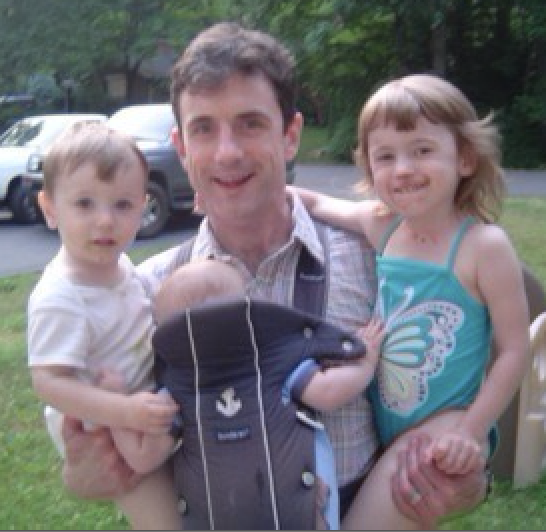
I'm a dad to three beautiful children (now in their teens). I'm a software developer, health-freedom activist, and vaccine safety researcher who did my own research to protect my children from excessive vaccination and the lazy one-size-fits-all dangerous dogmatic thinking that afflicts too many pediatricians today. I've worked non-stop to build everything I've learned into VaxCalc®.
I served from 2007 through 2018 as the Volunteer Director of Databases for the National Vaccine Information Center (NVIC). In 2016, I fought successfully to protect and preserve Virginia's religious exemption. And in 2020, I was an active part of the parent's revolution in Virginia that swept Governor Youngkin into office.
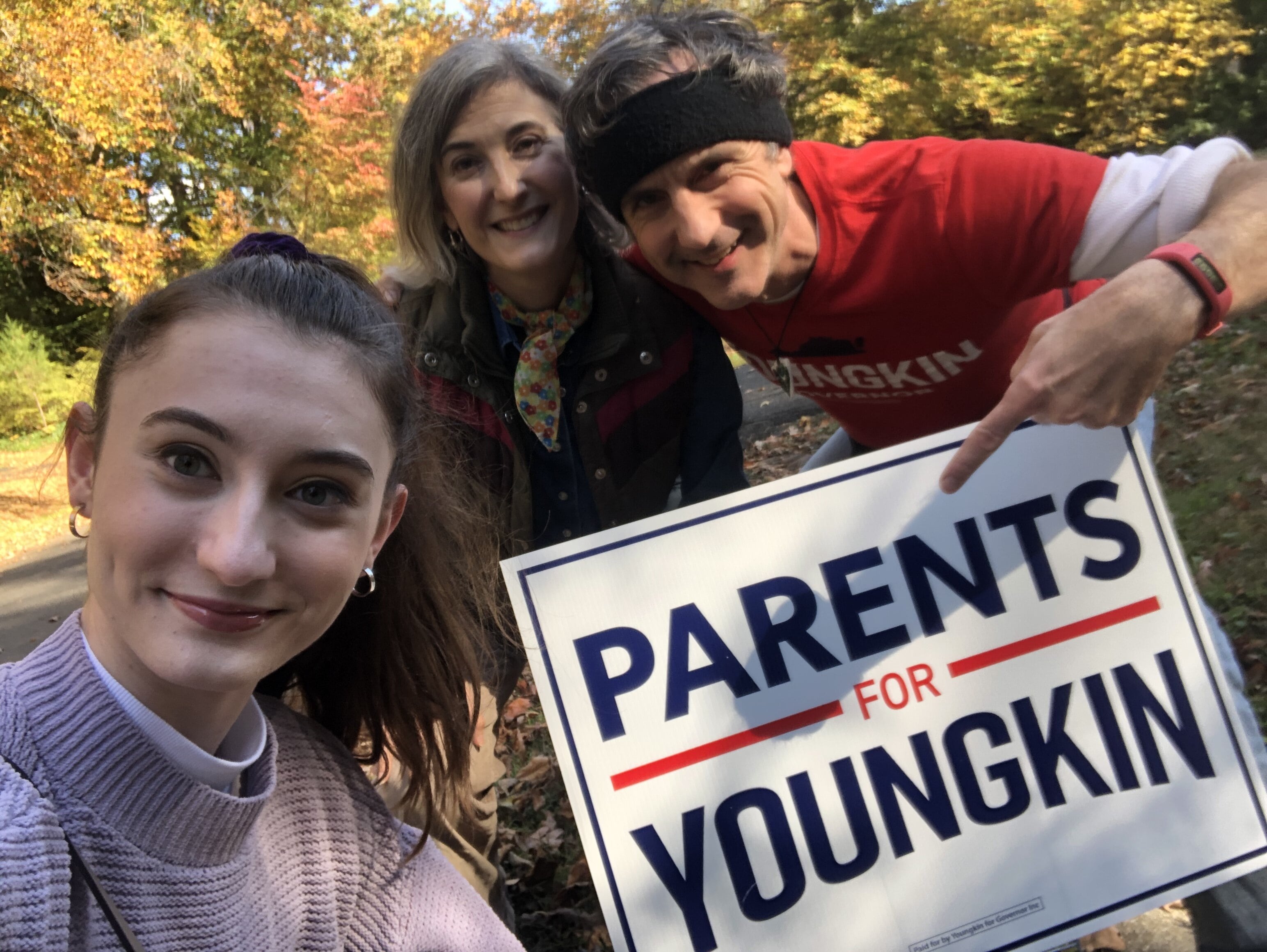
If, like me, YOU are passionate about protecting your children from excessive vaccination and the lazy, one-size-fits-all, dangerously dogmatic thinking that afflicts too many pediatricians today, join my opinionated and unconventional email list.
It's much more than just an email list. It provides access to fearless questioning, decades of experience protecting my own children, and a supportive online vaccine-aware community.